この商品を友人に教える:
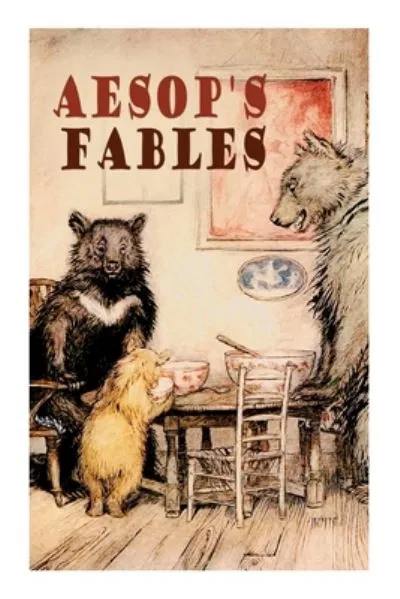
Aesop's Fables (Illustrated)
 クリスマスプレゼントは1月31日まで返品可能です



他の形態でも入手可能:
-
Paperback BookNew edition(1994) ¥ 1.407
- Paperback Book (2004) ¥ 1.730
- Paperback Book (2018) ¥ 2.225
- Paperback Book (2020) ¥ 2.833
- Paperback Book (2013) ¥ 2.833
- Paperback Book (2016) ¥ 2.852
- Book (2017) ¥ 2.928
- Hardcover Book (2025) ¥ 3.384
- Paperback Book (2012) ¥ 3.441
- Book (2025) ¥ 3.575
-
Hardcover BookBonded Leather edition(2017) ¥ 3.689
-
BookWarbler Classics Annotated edition(2025) ¥ 4.316
- Paperback Book (2004) ¥ 4.925
- Hardcover Book (2020) ¥ 5.761
- Hardcover Book (2020) ¥ 6.579
-
Hardcover BookRoyal Collector's edition(2021) ¥ 7.225
-
Hardcover BookCollector's edition(2024) ¥ 7.244
Aesop's Fables (Illustrated)
Aesop
Unbelievably rich in history, Aesop's Fables are known the world over for their educational cautionary tales about morality, justice, and truth. Most assume the fables were originally intended for the education of children, but they are rooted in much more complex and sophisticated beginnings. Turns out, "Aesop the fable writer" was a slave from ancient Greece in the 5th century, but since the fables were first passed down orally, no one really knows what fables originated with him from that time, which came later, or which came from another source altogether but were attributed to his name. In any case, to read the fables is to immerse oneself in basic issues of human psychology, relationships, and understanding of the world around us. The notion that this storied tradition began with a 5th century Greek slave, then grew with the contributions of multicultural voices and stories makes it an eternally relevant work.
| メディア | 書籍 Paperback Book (ソフトカバーで背表紙を接着した本) |
| リリース済み | 2020年7月22日 |
| ISBN13 | 9798668489091 |
| ページ数 | 116 |
| 寸法 | 152 × 229 × 6 mm · 163 g |
| 言語 | 英語 |