この商品を友人に教える:
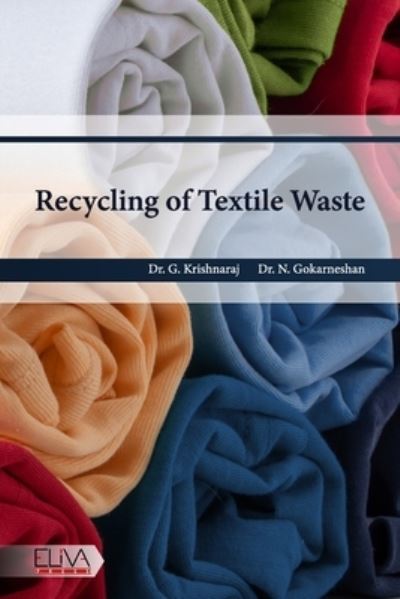
Recycling of Textile Waste N Gokarneshan
遠隔倉庫からの取り寄せ
 クリスマスプレゼントは1月31日まで返品可能です



Recycling of Textile Waste
N Gokarneshan
Recycling is a process of collection and segregation, processing and remanufacturing, purchase and use. Textile recycling is the process by which old clothing and other textiles are recovered for reuse or material recovery. It is the basis for the textile recycling industry. The necessary steps in the textile recycling process involve the donation, collection, sorting and processing of textiles, and then subsequent transportation to end users of used garments, rags or other recovered materials. Textile industry is accused of being one of the most polluting industries. Not only production but consumption of textiles also produces waste. Textile recycling is the reuse as well as reproduction of fibres from textile waste.
Textile recycling is one of the oldest and most established recycling industries in the world, yet, few people understand the recycling industry. Textiles have been recycled since the eighteenth century when the Napoleanic war caused virgin wool shortages and required that wool fibres be garneted into new yarns. Even though the textile industry has been utilizing used fibres for at least 150 years, the markets for recycled textile fibres continue to evolve.
Traditional sources of textile waste come from three different sources - fibre, yarn and fabric processing, Sewn products manufacture, disc textile at cutting waste at all the manufacturing level are considered pre-consumer waste and are easier to recycle because the fibres, dyes and finishes are known and in like-new condition.
The financial benefits are making money selling recyclables and community financial benefits. Recycling builds community since people work together, communicate, share ideas and support each other.
Recycling creates jobs. For example, 10,000 tons of waste incinerated, creates 1 job, landfilled creates 6 jobs and recycled creates 36 jobs. Recycling helps build a strong economy, lower waste management costs, cheaper production materials, energy savings, and job creation. Recycling helps protect environment due to reduced contamination risk from landfills, reduced pollution, reduced environmental impact from mining or extracting fresh raw materials. Recycling is a way of life as once we make the choice to recycle and stick to that choice every day, it becomes second nature and a way of life.
| メディア | 書籍 Paperback Book (ソフトカバーで背表紙を接着した本) |
| リリース済み | 2021年6月8日 |
| ISBN13 | 9781636482255 |
| 出版社 | Eliva Press |
| ページ数 | 244 |
| 寸法 | 152 × 229 × 13 mm · 331 g |
| 言語 | 英語 |