この商品を友人に教える:
Colloquia: Concerning Men, Manners, and Things Desiderius Erasmus
遠隔倉庫からの取り寄せ
 クリスマスプレゼントは1月31日まで返品可能です



Colloquia: Concerning Men, Manners, and Things
Desiderius Erasmus
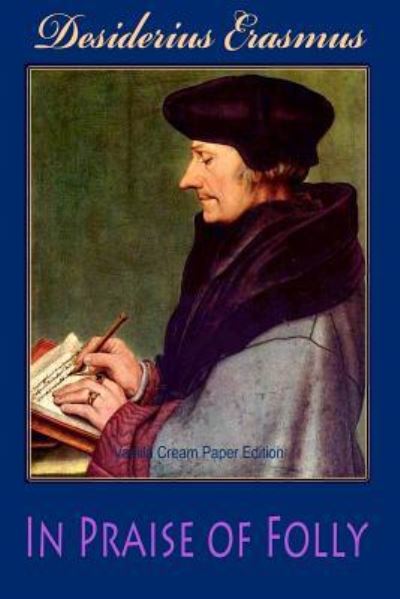
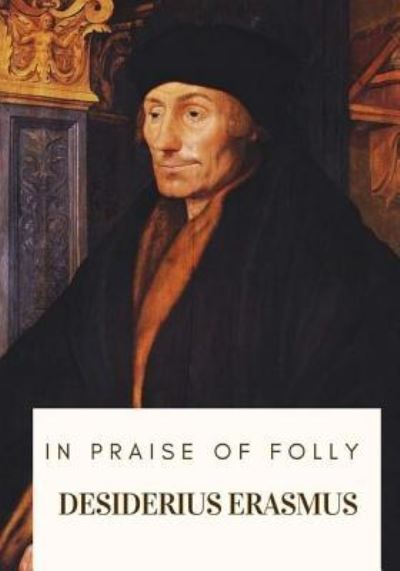
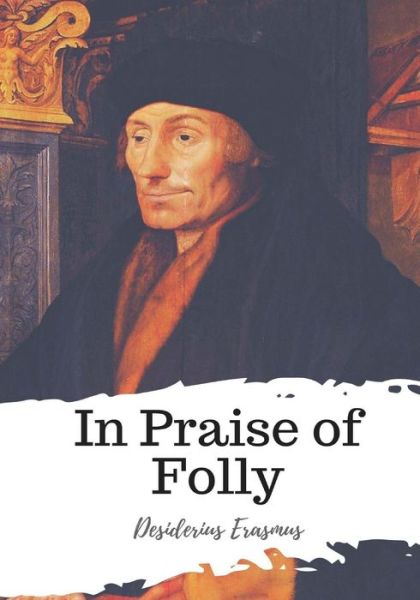
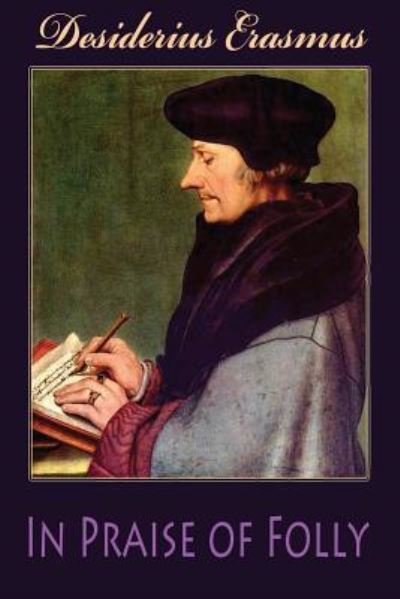
Colloquies is one of the many works of the "Prince of Christian Humanists", Desiderius Erasmus. Published in 1518, the pages "...held up contemporary religious practices for examination in a more serious but still pervasively ironic tone". Christian Humanists viewed Erasmus as their leader in the early 16th century. Erasmus' works had greater meaning to those learned few who had a larger knowledge of Latin and Greek. Colloquies in Latin means a formal written dialogue, thus in his book Erasmus explores man's reaction to others in conversations. Desiderius Erasmus Roterodamus (October 28, 1466 ? July 12, 1536), sometimes known as Desiderius Erasmus of Rotterdam, was a Dutch Renaissance humanist, Catholic priest, and a theologian. His scholarly name Desiderius Erasmus Roterodamus comprises the following three elements: the Latin noun desiderium ("longing" or "desire"; the name being a genuine Late Latin name); the Greek adjective meaning "beloved", and, in the form Erasmus, also the name of a St. Erasmus of Formiae; and the Latinized adjectival form for the city of Rotterdam (Roterodamus). Erasmus was a classical scholar who wrote in a pure Latin style and enjoyed the sobriquet "Prince of the Humanists." He has been called "the crowning glory of the Christian humanists." Using humanist techniques for working on texts, he prepared important new Latin and Greek editions of the New Testament. These raised questions that would be influential in the Protestant Reformation and Catholic Counter-Reformation. He also wrote The Praise of Folly, Handbook of a Christian Knight, On Civility in Children, Copia: Foundations of the Abundant Style, Julius Exclusus, and many other works. Erasmus lived through the Reformation period and he consistently criticized some contemporary popular Christian beliefs. In relation to clerical abuses in the Church, Erasmus remained committed to reforming the Church from within. He also held to Catholic doctrines such as that of free will, which some Protestant Reformers rejected in favor of the doctrine of predestination. His middle road approach disappointed and even angered many Protestants, such as Martin Luther, as well as conservative Catholics. He died in Basel in 1536 and was buried in the formerly Catholic cathedral there, recently converted to a Reformed church.
| メディア | 書籍 Paperback Book (ソフトカバーで背表紙を接着した本) |
| リリース済み | 2011年6月4日 |
| ISBN13 | 9781770831964 |
| 出版社 | Theophania Publishing |
| ページ数 | 204 |
| 寸法 | 150 × 11 × 226 mm · 281 g |
| 言語 | 英語 |








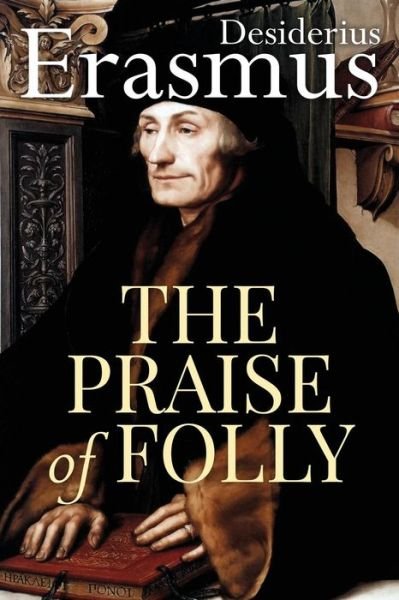
![Cover for Desiderius Erasmus · The Praise of Folly: Updated Edition - Princeton Classics (Paperback Book) [Updated edition] (2015)](https://imusic.b-cdn.net/images/item/original/646/9780691165646.jpg?desiderius-erasmus-2015-the-praise-of-folly-updated-edition-princeton-classics-paperback-book&class=scaled&v=1468447635)