この商品を友人に教える:
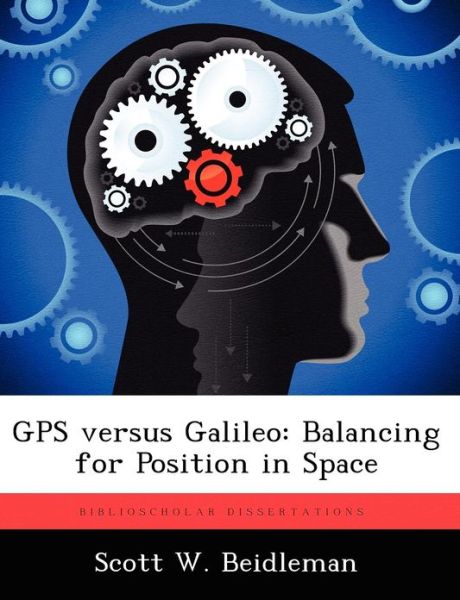
GPS Versus Galileo: Balancing for Position in Space Scott W Beidleman
遠隔倉庫からの取り寄せ
 クリスマスプレゼントは1月31日まで返品可能です



他の形態でも入手可能:
GPS Versus Galileo: Balancing for Position in Space
Scott W Beidleman
Publisher Marketing: This study investigates Europe's motives to develop the independent satellite navigation system known as Galileo despite the existence of America's successful global positioning system (GPS). It begins by analyzing both systems to familiarize the reader with global navigation satellite systems (GNSS) and to provide an understanding of the strengths and weaknesses of GPS and Galileo, as well as the systems' similarities and differences. Although the two systems have different founding principles, they employ similar infrastructures and operational concepts. In the short term, Galileo will provide better accuracy for civilian users until GPS upgrades take effect. But performance is only part of the rationale. The author contends that Europe's pursuit of Galileo is driven by a combination of reasons, including performance, independence, and economic incentive. With Galileo, Europe hopes to achieve political, security, and technological independence from the United States. Additionally, Europe envisions overcoming the US monopoly on GNSS by seizing a sizable share of the expanding GNSS market and setting a new world standard for satellite navigation. Finally, the author explores Galileo's impact on the United States and reviews US policy towards Galileo. The paper concludes with recommendations to strengthen the competitiveness of GPS.
| メディア | 書籍 Paperback Book (ソフトカバーで背表紙を接着した本) |
| リリース済み | 2012年9月11日 |
| ISBN13 | 9781249327103 |
| 出版社 | Biblioscholar |
| ページ数 | 96 |
| 寸法 | 189 × 246 × 5 mm · 145 g |
